The materials R&D field guide: the frameworks experts use, and when each one applies
From Ashby charts to the Shockley–Queisser limit, these are the rules of thumb behind good materials decisions, organised by scope. Some apply to every project. Others only matter for a particular material class or application. Each guide explains the idea, shows the arithmetic in worked examples, and lists the mistakes to avoid.
- 27
- framework guides
- 3
- tiers of scope
- 81
- worked examples
- Free
- no sign-up to read
Three questions decide which frameworks you need
Then the universal frameworks apply: framing the decision, screening, experimenting, supply and IP, and trusting the data.
Add the rules for its class: inorganic crystals, ionic ceramics, perovskites, or metals and alloys.
Add the application rules: batteries, catalysis, photovoltaics, or structural and mechanical parts.
Universal frameworks
Use these on every project, whatever the material or application. They cover framing the decision, narrowing candidates, running experiments, the commercial reality, and whether the numbers can be trusted.
Decide & plan4 guides
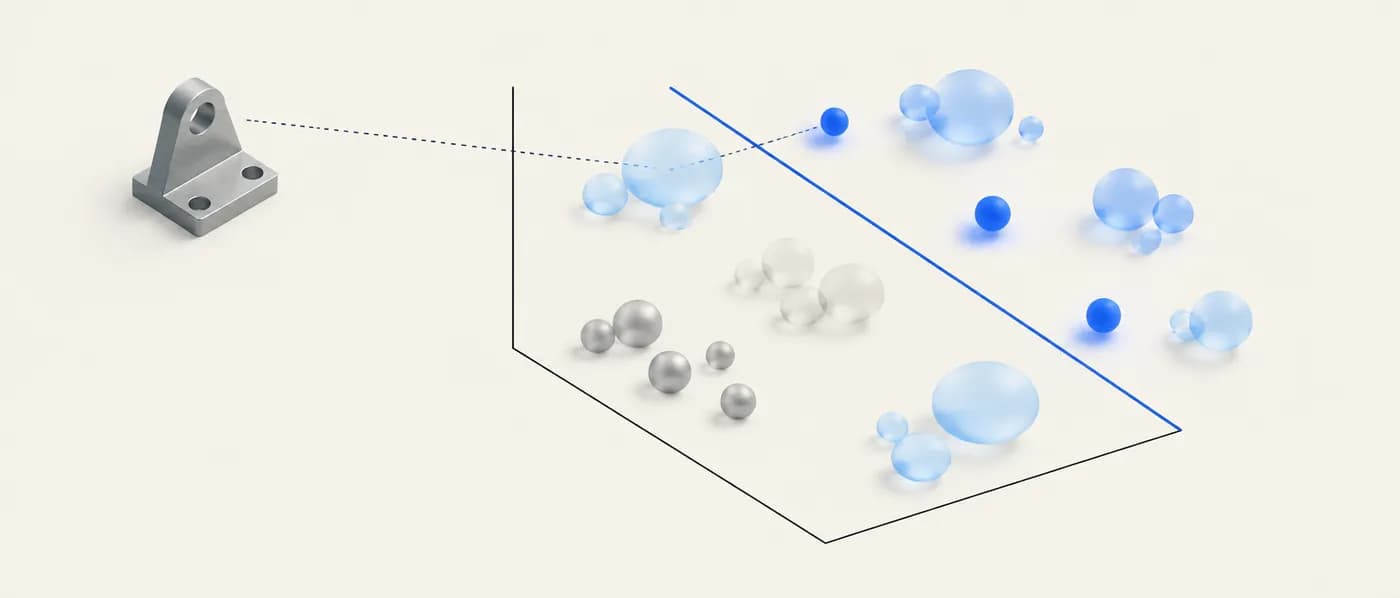
Translate the need into constraints and an objective, then screen, rank and document.

When goals conflict, keep every candidate that nothing else beats on all counts.
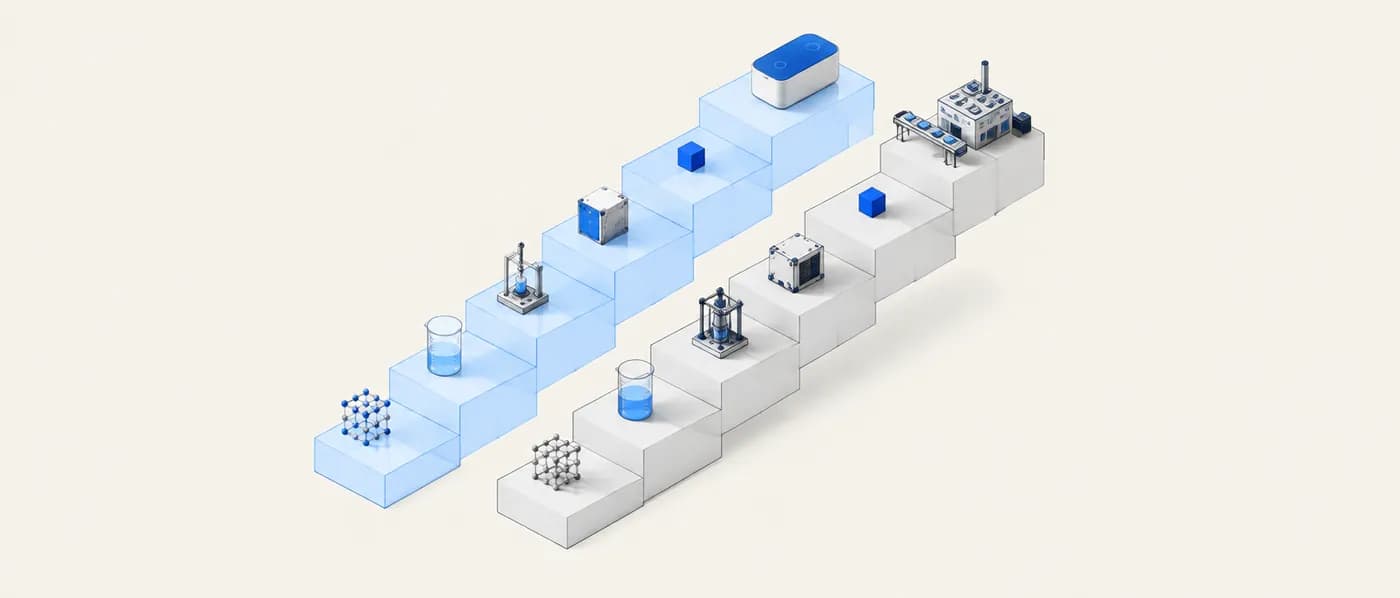
A shared scale for how far a material is from real use and from manufacturing.
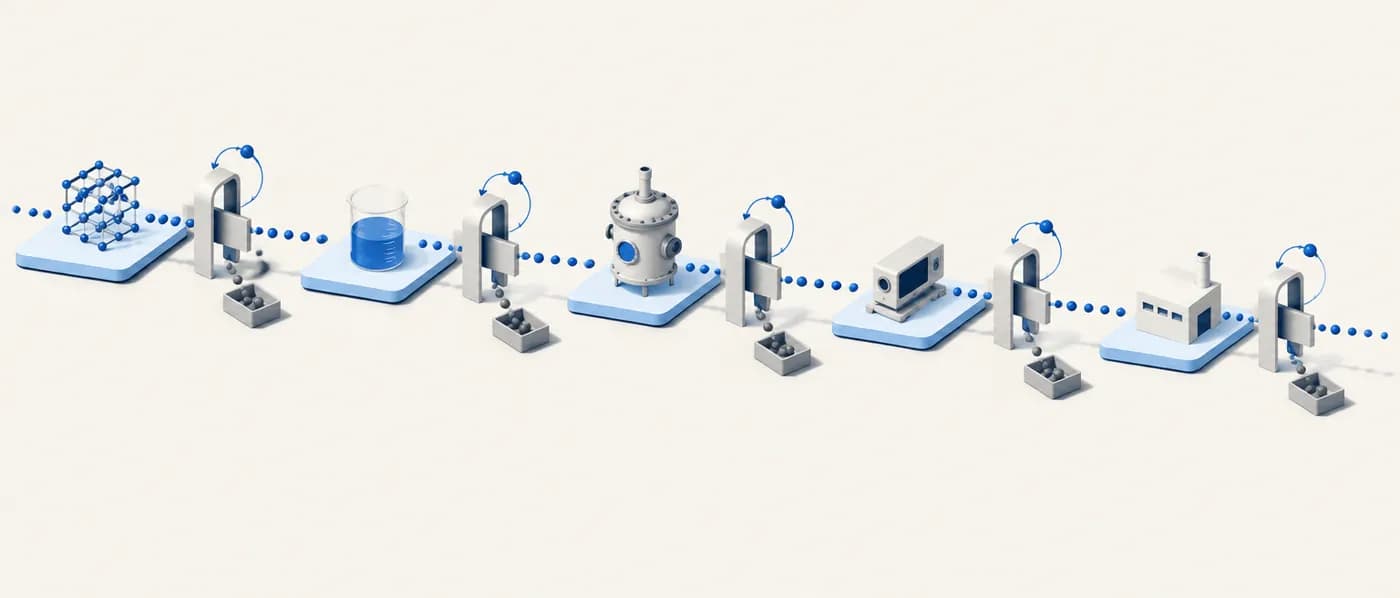
Go / kill decisions at agreed gates, with the evidence pack as the gate document.
Screen & experiment5 guides
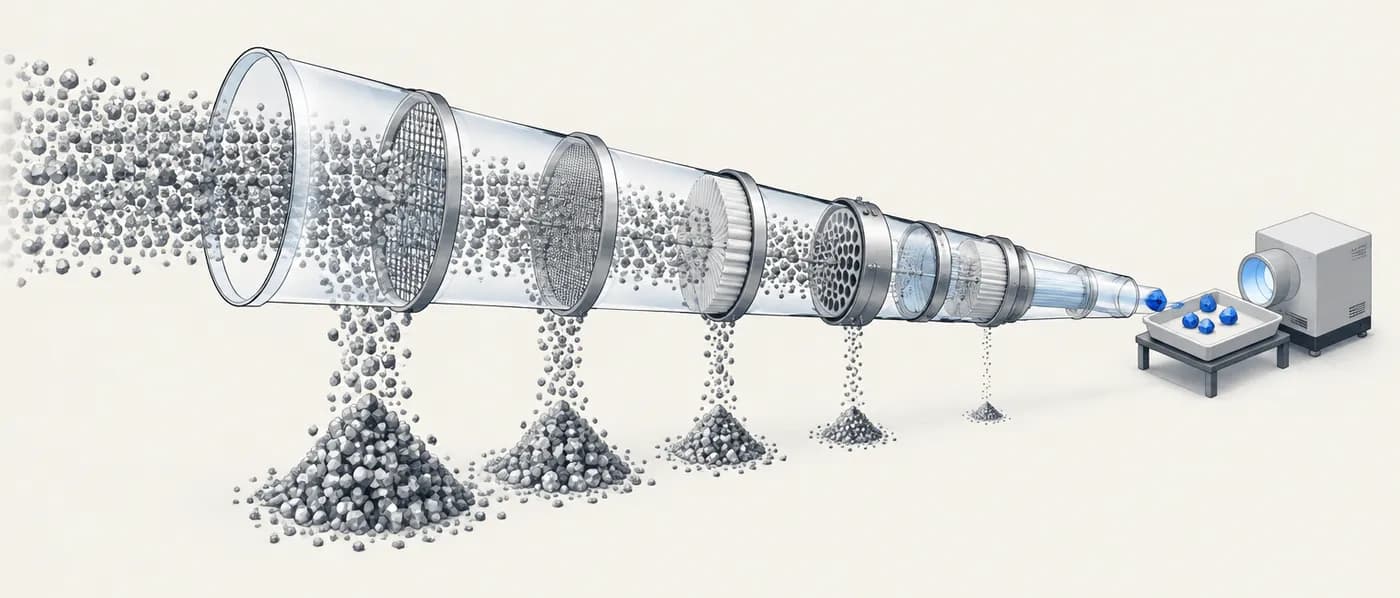
Cheap filters first, expensive ones last, so effort goes to the candidates that matter.
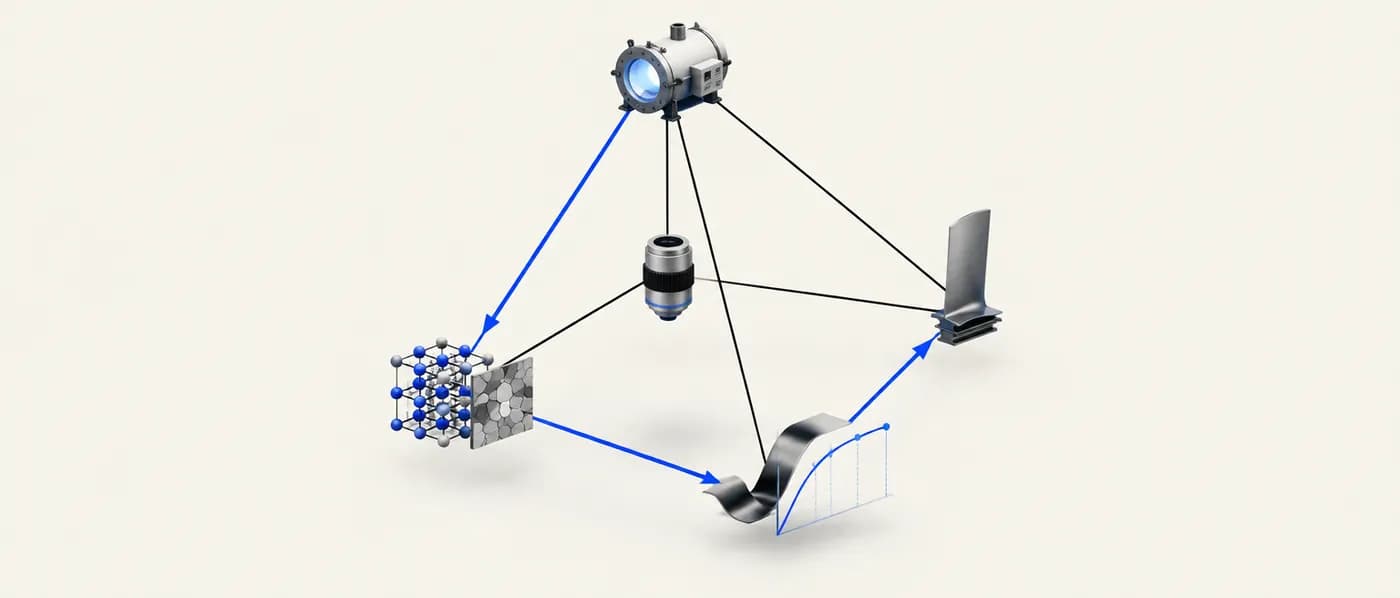
Why the same formula made two ways is two different materials.
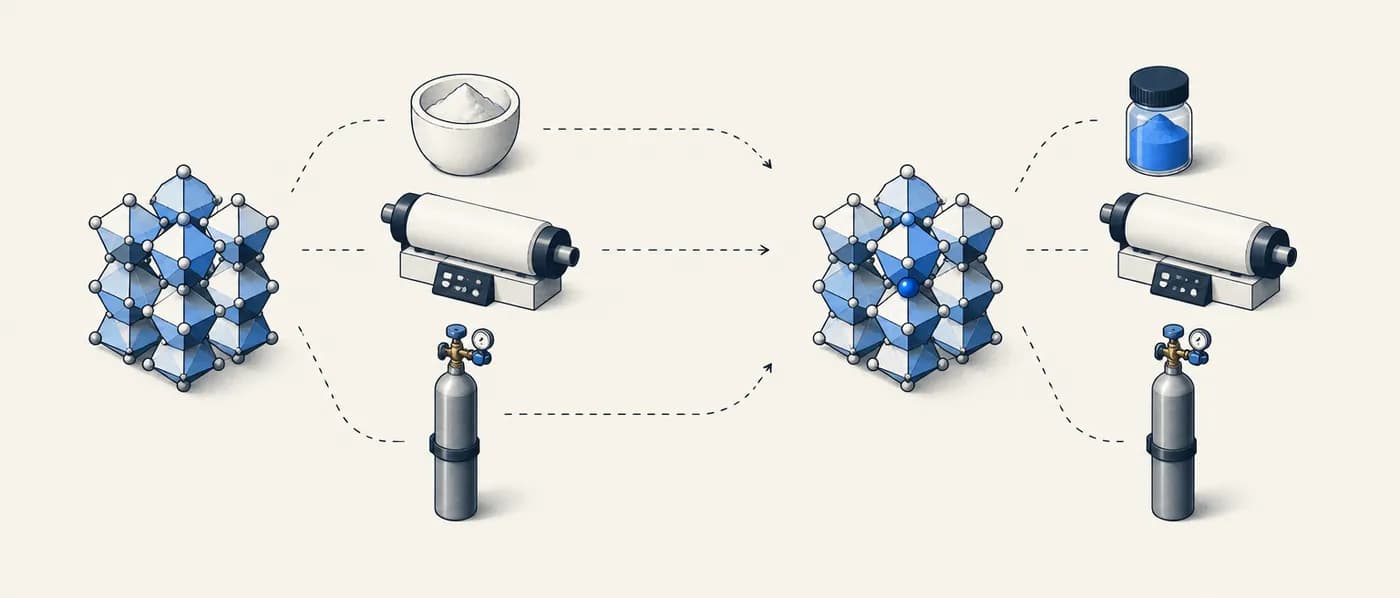
Start from recipes for the nearest known chemistry and adjust.

Learn main effects and interactions in far fewer runs.
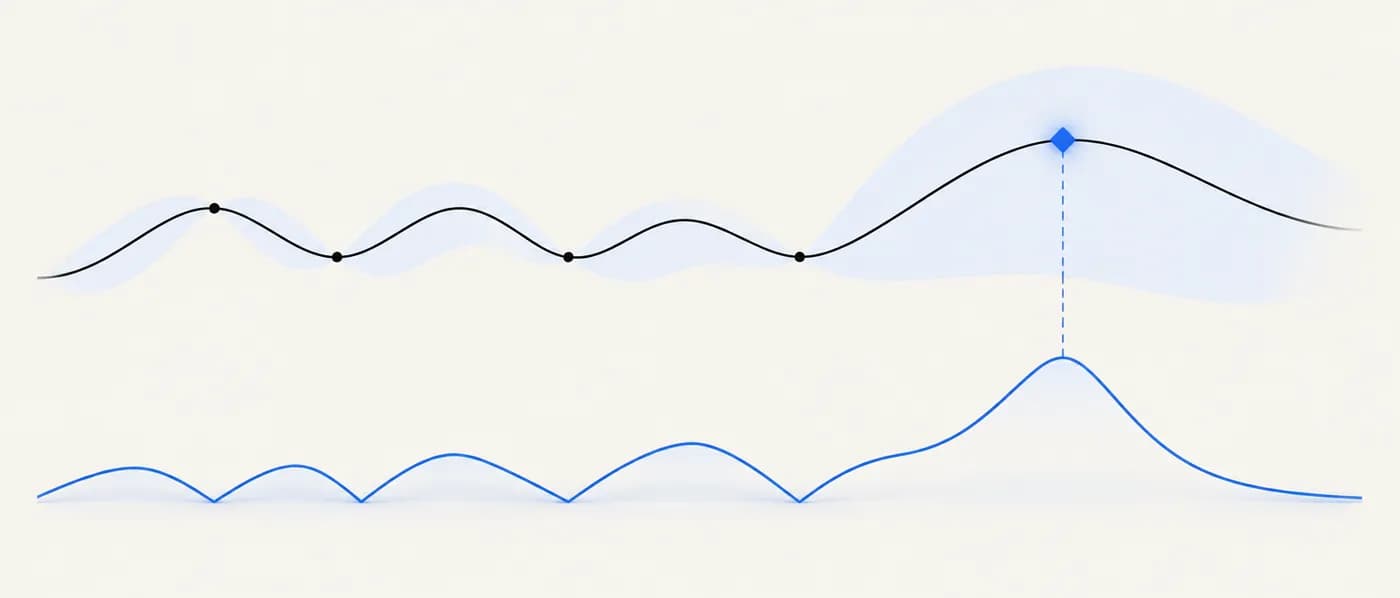
Let a model choose the next most informative experiment.
Own & source5 guides
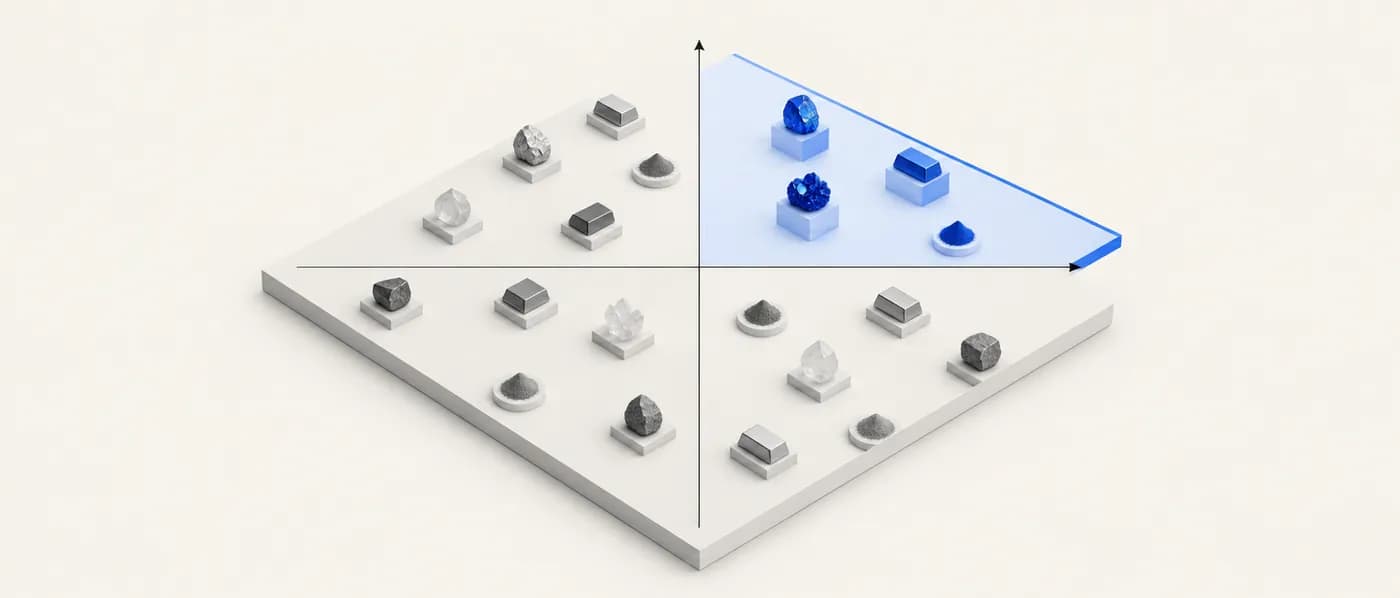
Supply risk vs economic importance, and what to do about critical elements.
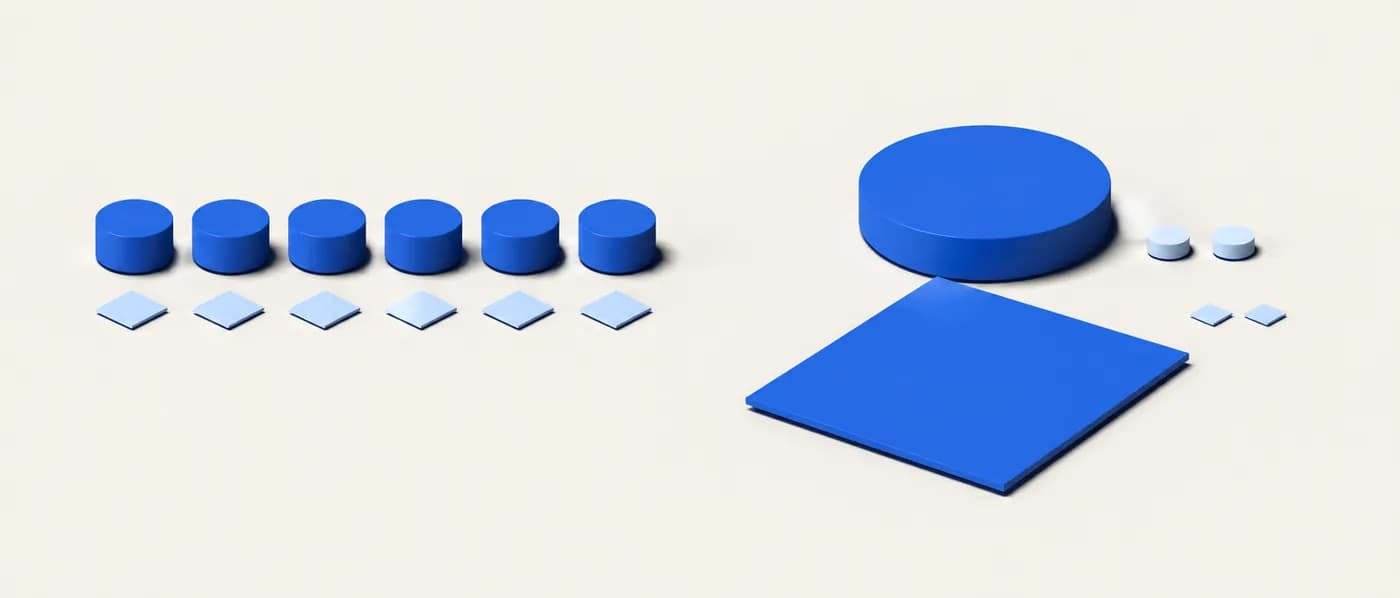
Measure supply concentration from production shares.
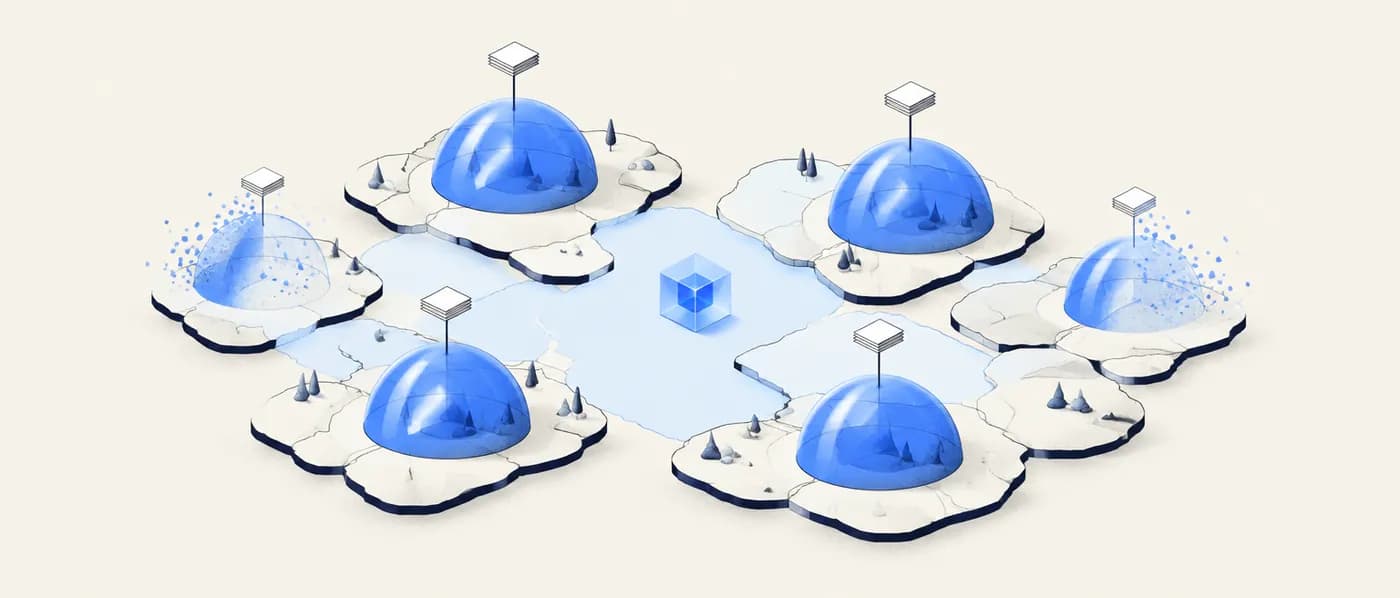
Map who claims what, and where there is room.
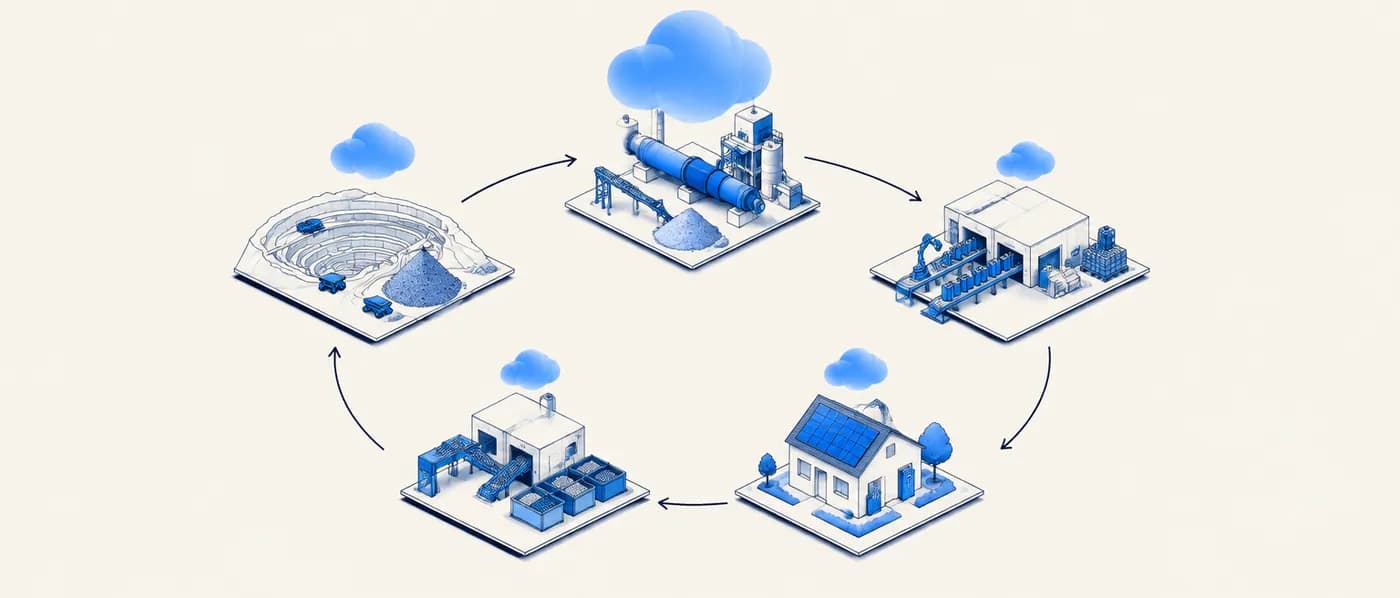
Compare footprints per functional unit, not per kilogram.
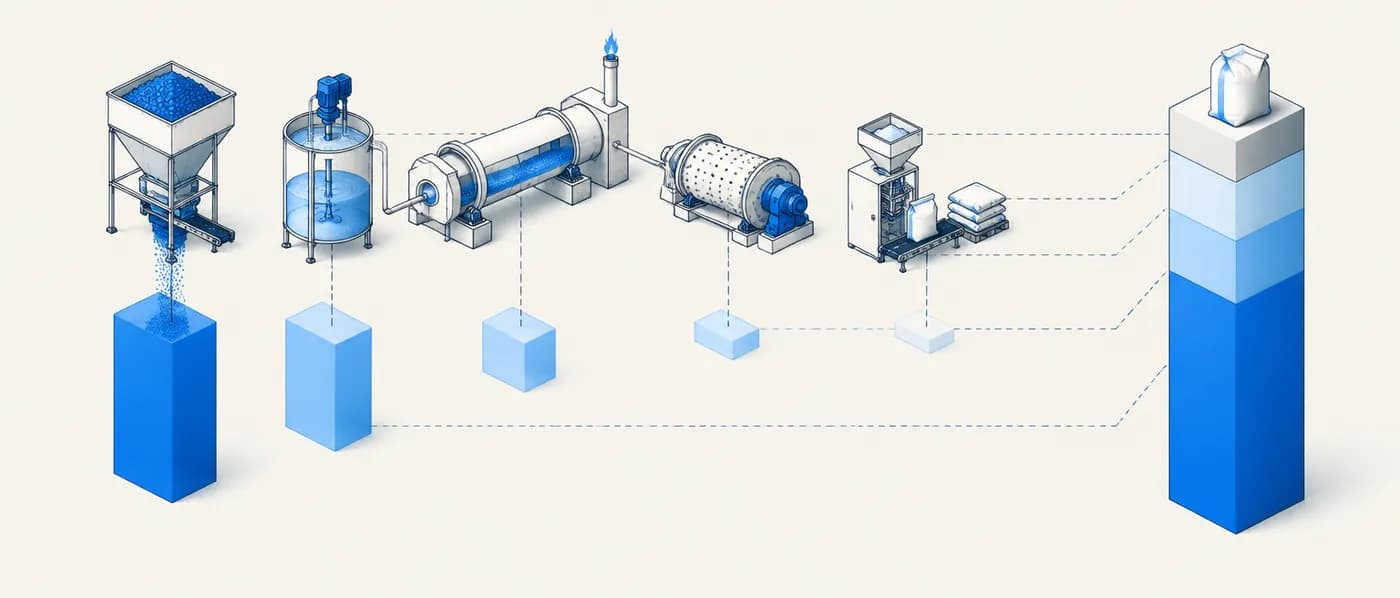
Build $/kg and $/kWh from materials, steps and yield.
Trust the number4 guides
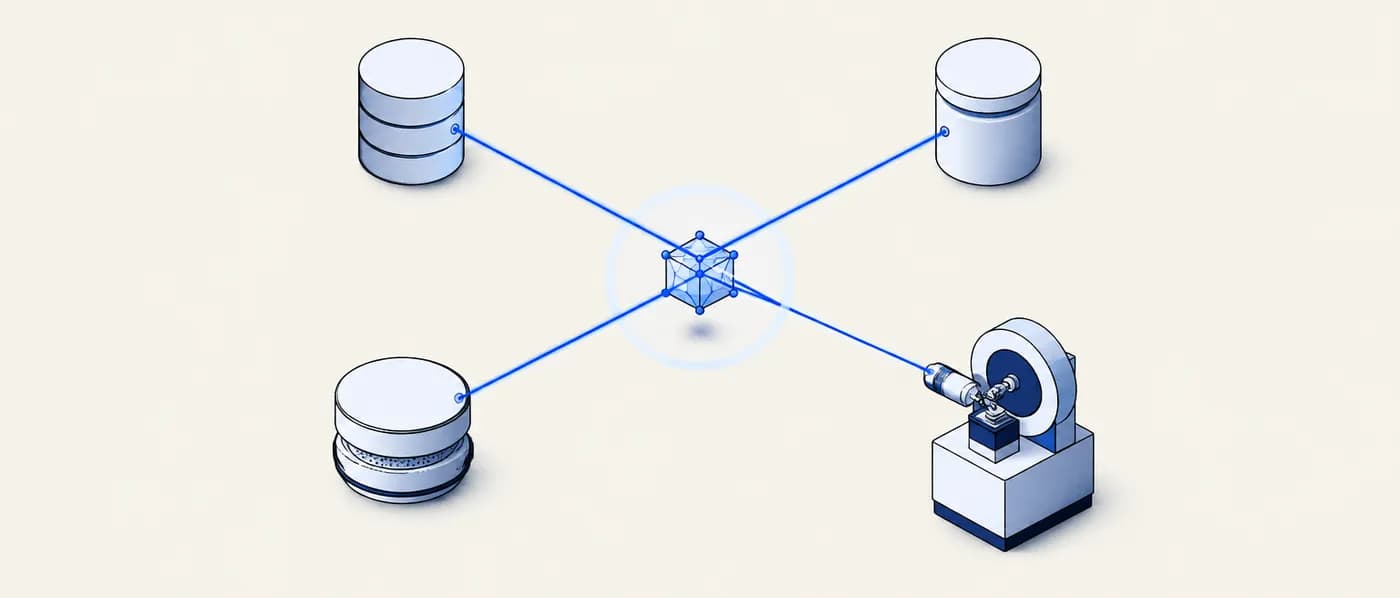
Independent sources that agree beat any single source.
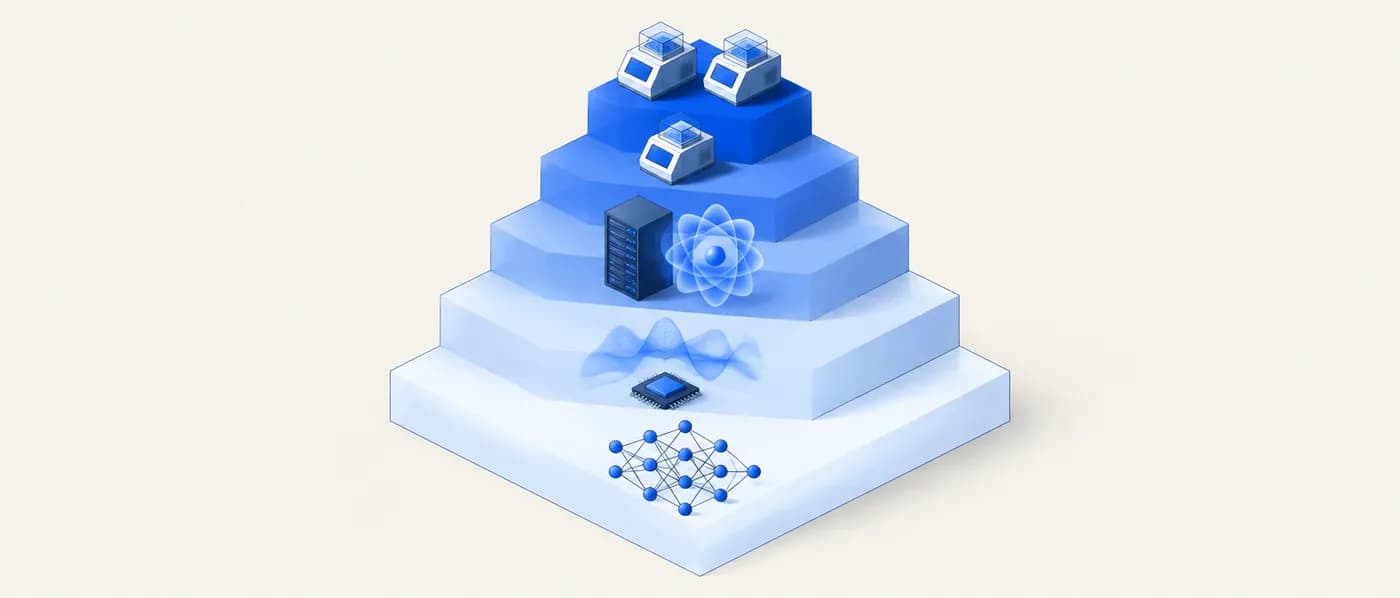
Measured, higher-level theory, standard DFT, ML: know which tier each number comes from.

If the decision margin is smaller than the model error, the model can’t decide.

IDs, licences and provenance that make evidence auditable.
By material class
Use these only if your candidate belongs to the class. Applying ionic-crystal rules to a metal, for example, gives confident nonsense.

How far above the stable phase a material can sit and still be made.
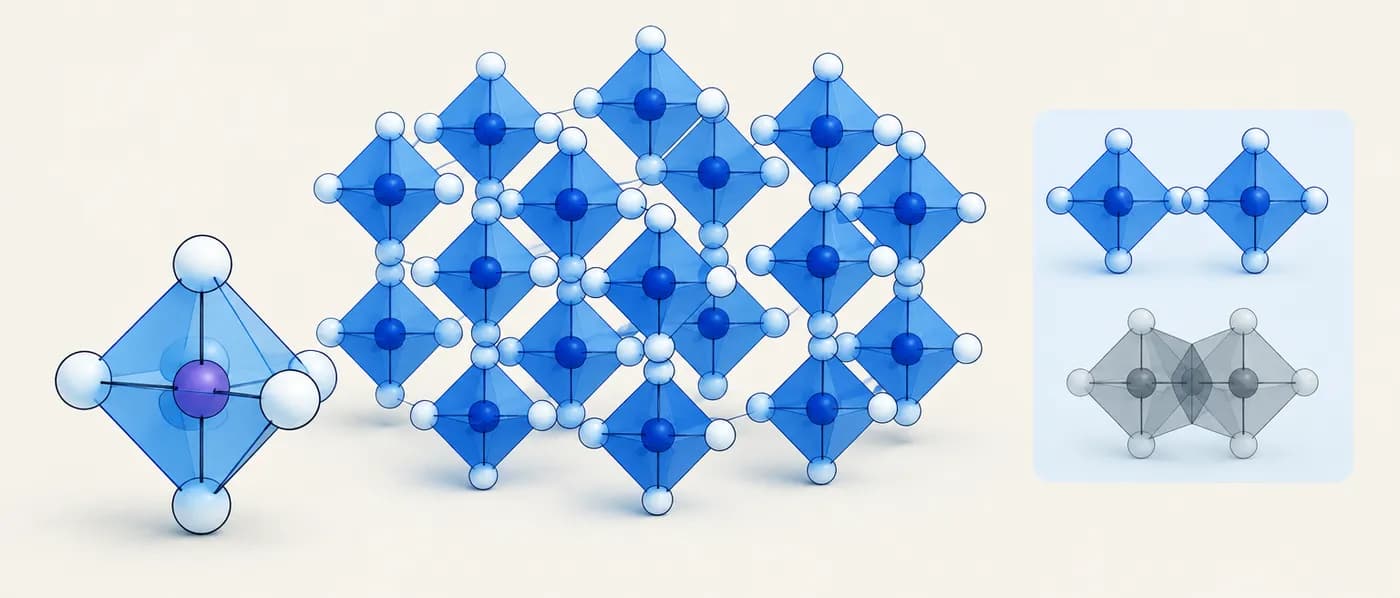
Five rules for stable ionic crystal structures.
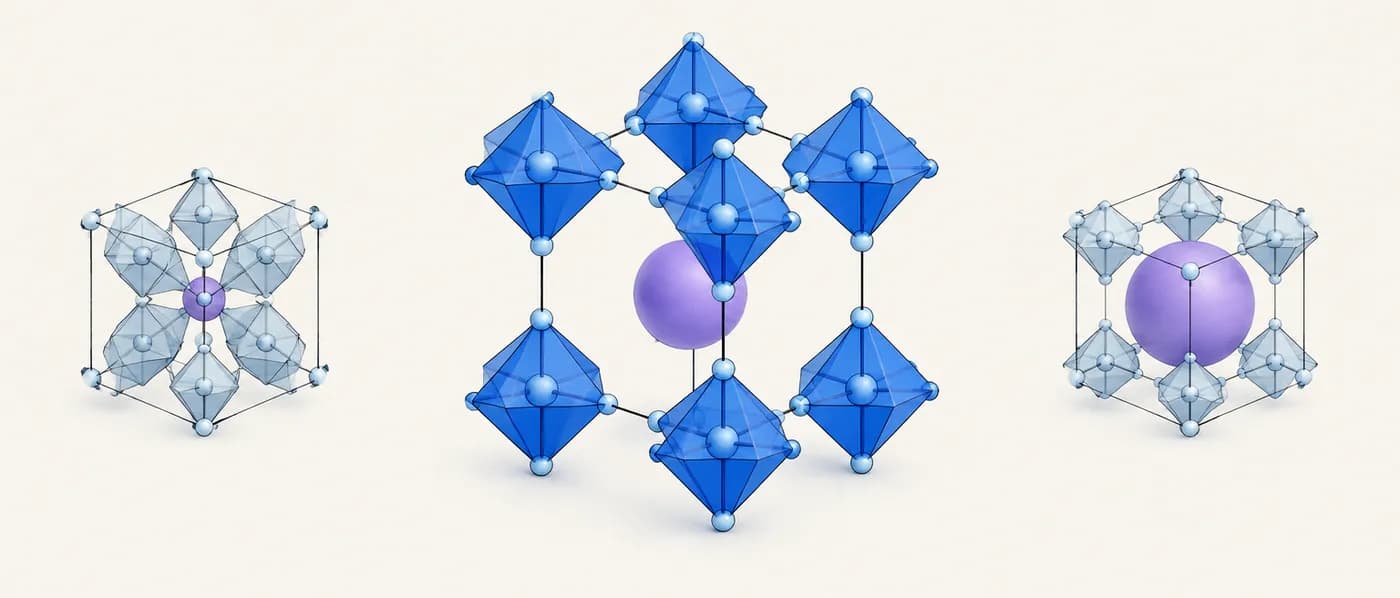
A one-line check on whether an ABX₃ composition forms a perovskite.
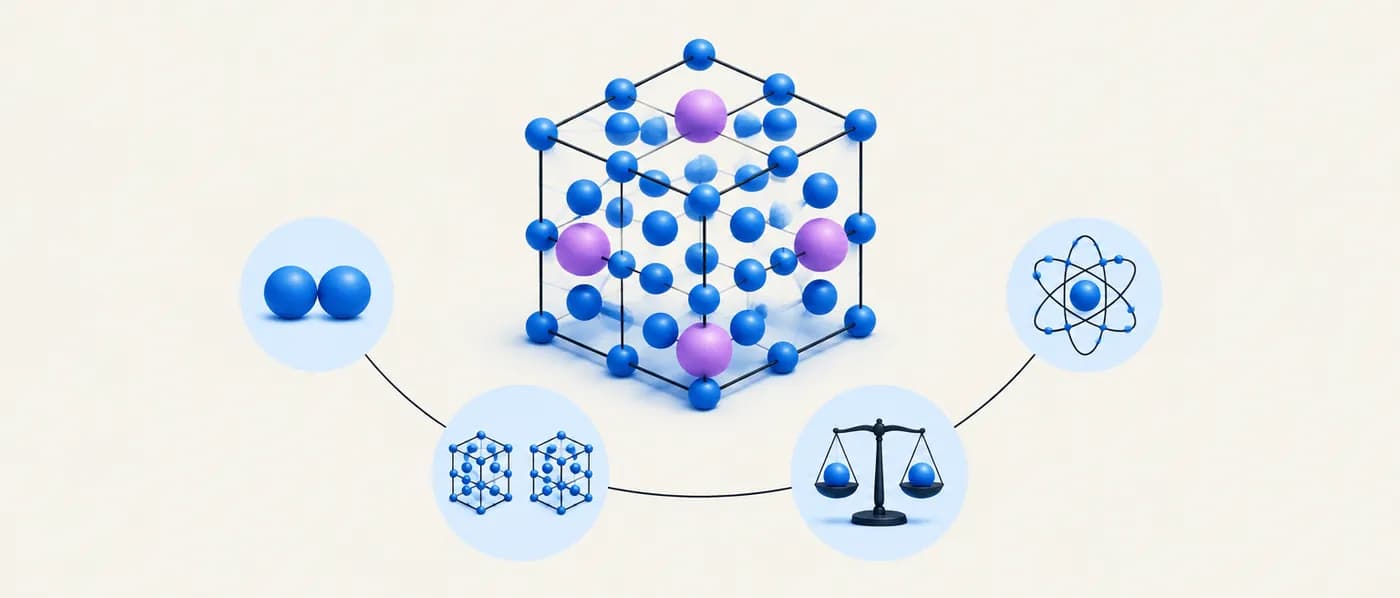
When one metal will dissolve in another.
By application
Use these only for your target application. Each gives the figure of merit or physical limit that decides that application.
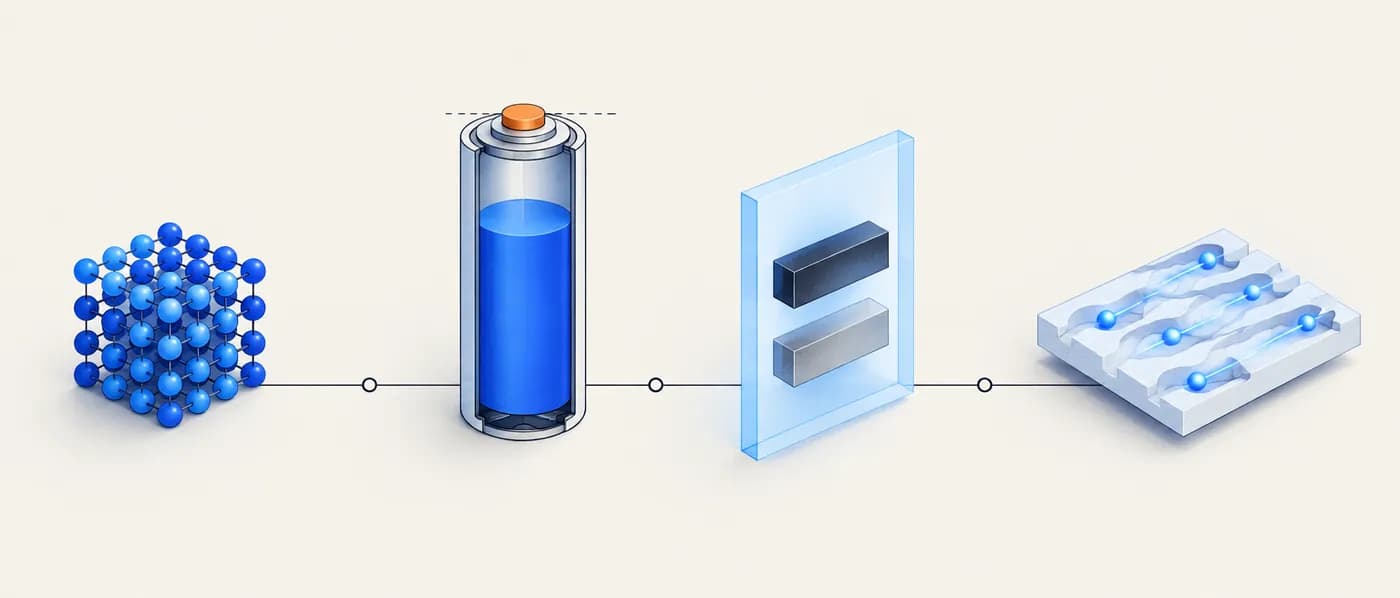
Theoretical capacity, energy, stability window and conductivity targets.
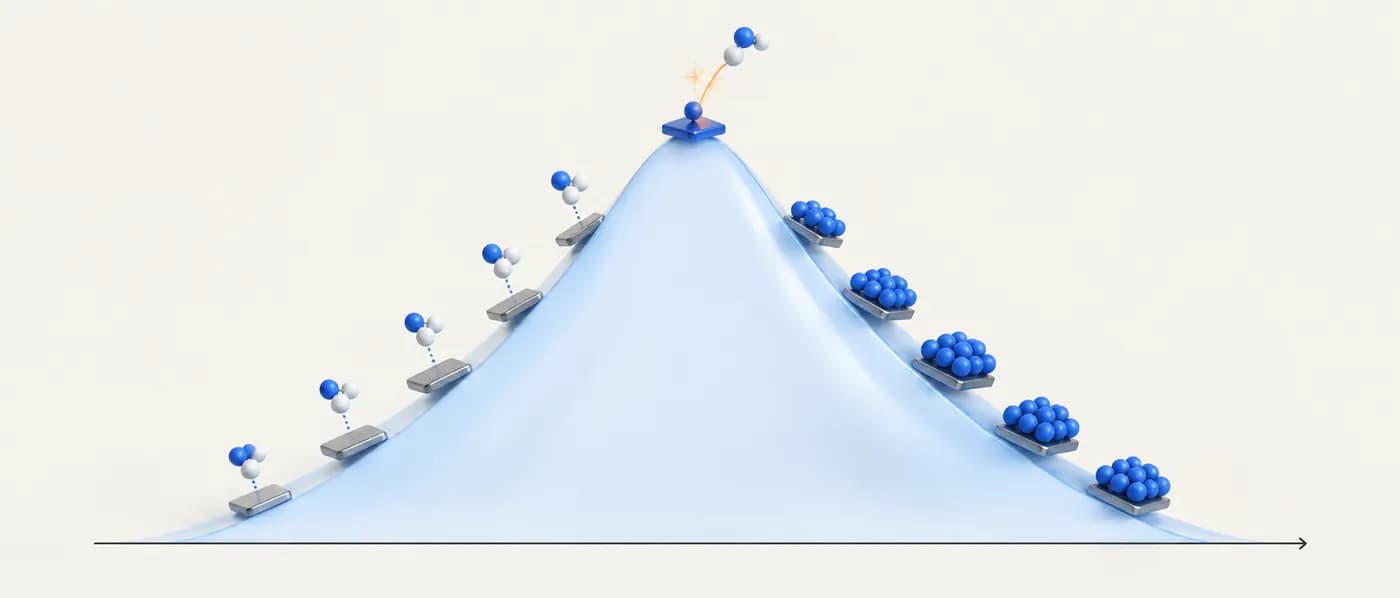
Binding neither too strong nor too weak, and the d-band model behind it.
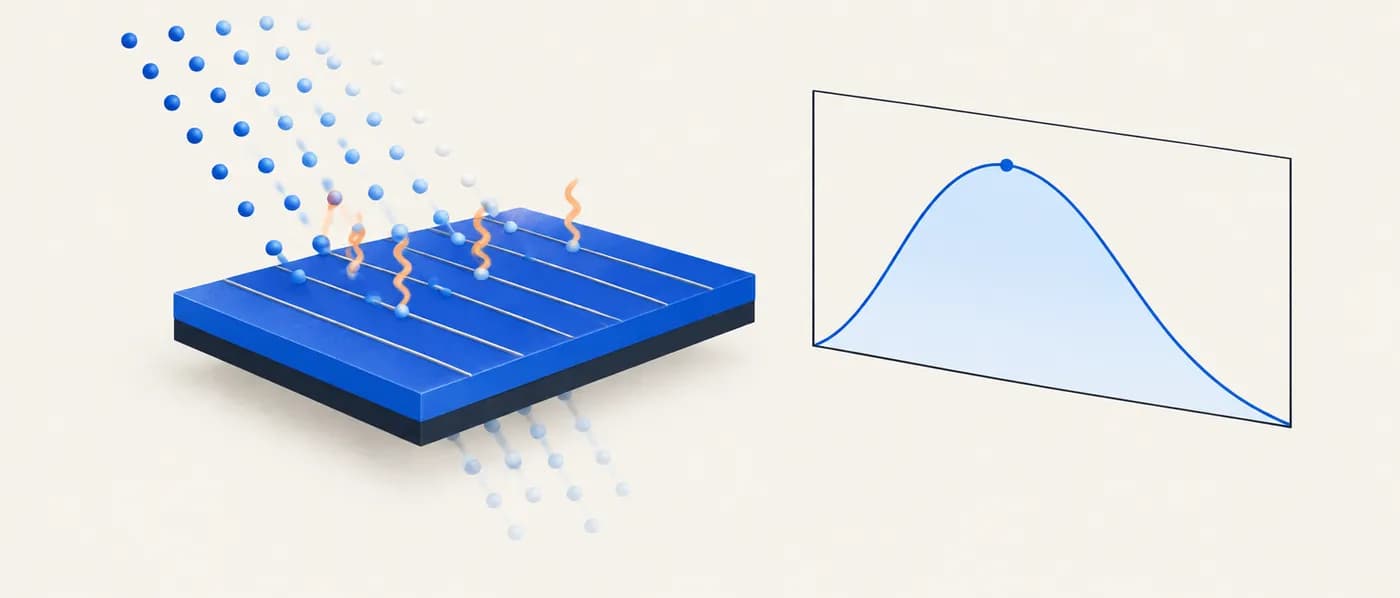
The efficiency ceiling for a solar absorber, and where band gaps should sit.
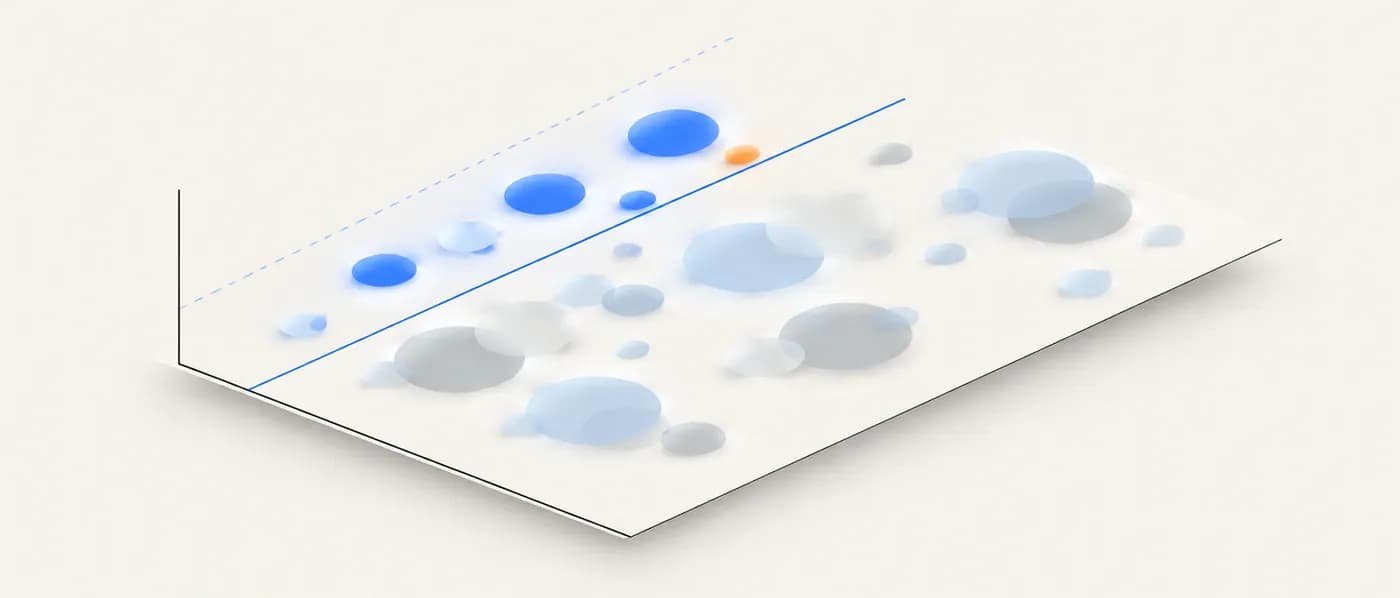
Figures of merit like E/ρ and E^½/ρ for light, stiff parts.
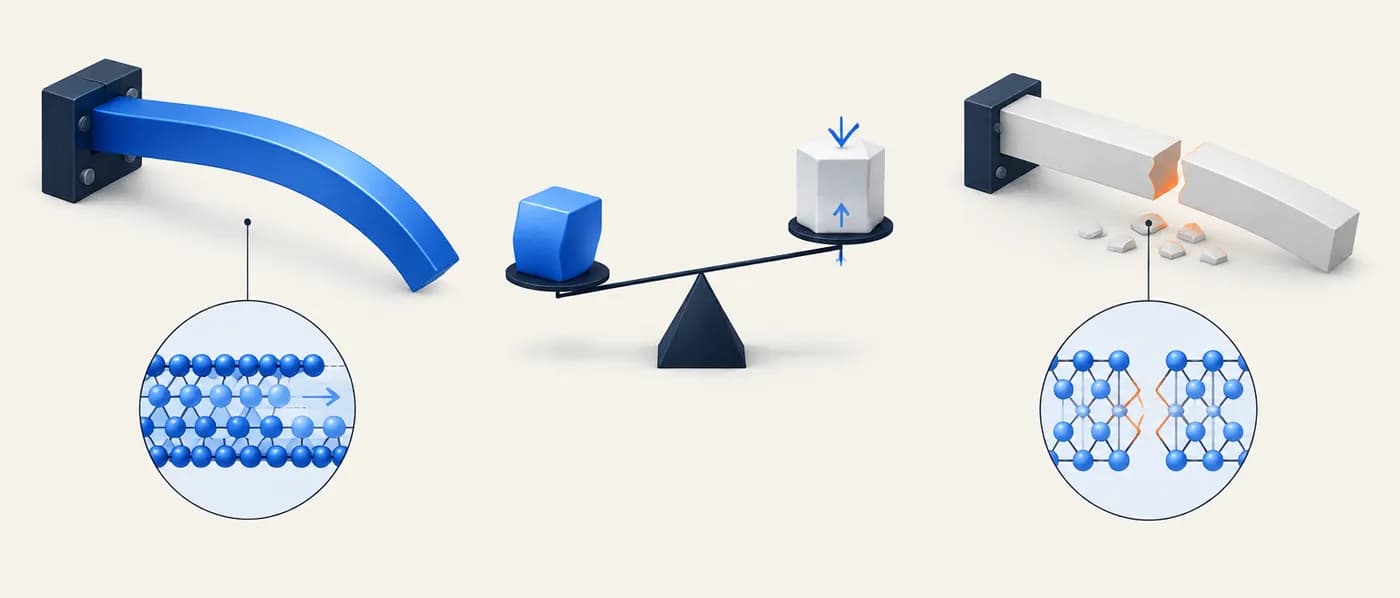
B/G as a quick ductile-vs-brittle screen.
Start from what you’re building
Lattice Graph puts 6M+ deduplicated structures from 85 sources, cross-source confidence and row-level provenance behind every step.